DUI Checkpoint Locations by State
Find DUI checkpoint locations by state with DUI Checkpoints Finder. Browse publicly announced DUI checkpoints, sobriety checkpoints, and impaired-driving enforcement information by state, county, and city.
When available, checkpoint listings may include the announced date, time, city, county, location, law enforcement agency, and source. We organize publicly available information in one place to make DUI checkpoint information easier to find and understand.
Important: DUI Checkpoints Finder is an independent public-safety information website. We are not a police department, government agency, or law enforcement organization. Checkpoint information is compiled from publicly available sources and can change, be postponed, or be canceled. For time-sensitive information, verify details with the relevant official source whenever possible.
Find DUI Checkpoints by State
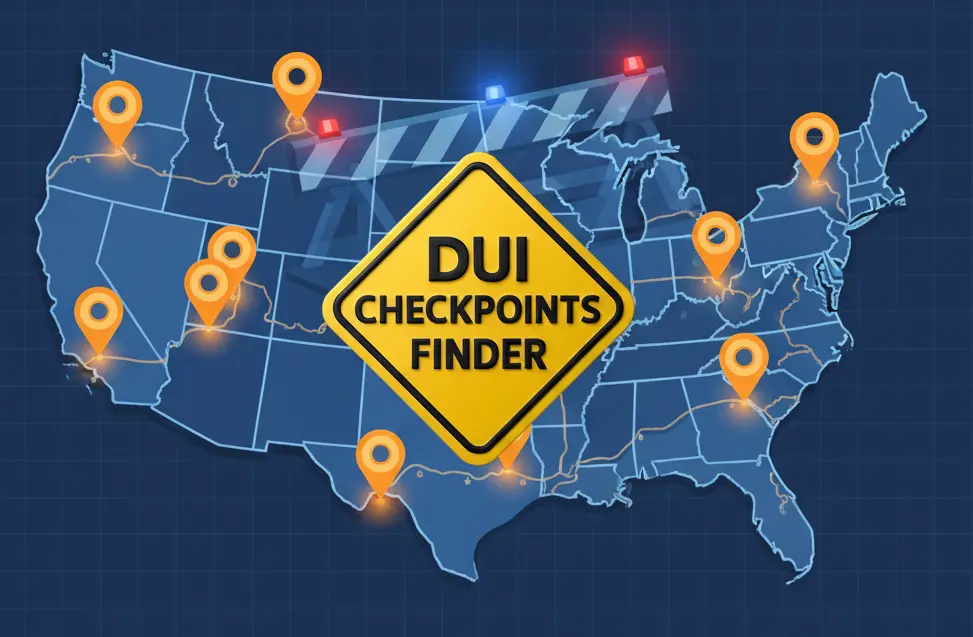
Select a state below to explore available DUI checkpoint information. Depending on the state and available records, you may be able to continue from a state page to county and city-level information.
How to Find DUI Checkpoint Information
The location directory is organized to help you move from broad location information to more specific checkpoint records. Start with a state and then explore the available county or city pages.
- Choose your state. Select the state where you want to find DUI checkpoint information.
- Explore local information. Where available, select a county or city to see more specific records.
- Review the listing. Look for the announced date, time, location, agency, and other available details.
- Review the source. When an original source is provided, use it to confirm important information.
- Drive responsibly. Never drive while impaired, regardless of whether a checkpoint has been announced.
Upcoming DUI Checkpoints
Our directory may include upcoming DUI checkpoints that have been publicly announced by law enforcement agencies or reported by reputable local sources. Future checkpoint listings can help readers understand when increased impaired-driving enforcement may be planned in their area.
The amount of information available varies by announcement. Some agencies may provide a specific location, date, and time, while others may provide only a general area or date.
Important: An upcoming checkpoint listing represents a publicly reported plan, not a guarantee that an operation will occur exactly as announced. Checkpoints can be changed, postponed, or canceled.
What Is a DUI Checkpoint?
A DUI checkpoint, sometimes called a sobriety checkpoint, is a planned traffic-safety operation used in some jurisdictions to identify and deter impaired driving. Law enforcement officers may stop vehicles according to procedures established for the operation and may briefly interact with drivers.
The exact procedures used at checkpoints depend on the jurisdiction, agency policies, applicable laws, and court decisions. A checkpoint may involve an initial screening followed by additional evaluation when officers identify concerns that require further attention.
Because checkpoint laws and procedures differ across the United States, information about one state’s checkpoint practices should not automatically be applied to another state.
What Happens at a DUI Checkpoint?
The experience at a checkpoint can vary by location and agency. In general, drivers may be directed through a designated checkpoint area and briefly contacted by an officer.
An officer may ask questions, observe a driver’s behavior, and look for signs of impairment or other traffic-safety concerns. If additional concerns arise, the driver may be directed to a secondary screening area according to the procedures and laws applicable in that jurisdiction.
Drivers should follow lawful instructions from officers and should never attempt to drive while impaired.
What Information Do Our DUI Checkpoint Listings Include?
Checkpoint announcements do not always contain the same level of detail. When publicly available, our listings may include:
- State where the checkpoint is announced.
- County associated with the operation.
- City or community where the checkpoint is planned.
- Date of the announced operation.
- Operating hours when provided.
- Location when publicly disclosed.
- Law enforcement agency when identified.
- Source when an original or reputable source is available.
How We Find and Review Checkpoint Information
DUI Checkpoints Finder is an independent public-safety information resource. Our editorial process focuses on locating, organizing, and presenting publicly available information about DUI checkpoints, sobriety checkpoints, and related impaired-driving enforcement announcements.
Depending on availability, we may review information from law enforcement announcements, government websites, official agency releases, and reputable local news reports. Information is organized into state, county, and city pages to make local checkpoint information easier to navigate.
When a source is available, we identify or link to the source so readers can review the original information. We encourage readers to check the original source when the date, time, or location is important.
Our website does not control checkpoint operations and does not guarantee that an announced checkpoint will occur as originally reported.
Why Checkpoint Information May Look Different From One Location to Another
Public announcements are not standardized across all agencies. One announcement may include an exact location and operating hours, while another may identify only a city, general area, or date. We preserve the available information rather than filling missing details with assumptions.
Why DUI Checkpoints Are Used
Where permitted, DUI checkpoints may be used as part of broader impaired-driving and traffic-safety efforts. Law enforcement agencies may conduct increased DUI enforcement during periods when impaired-driving concerns are expected to increase.
Checkpoint operations are one of several approaches used to address impaired driving. Other approaches can include DUI patrols, traffic enforcement, public education, designated-driver campaigns, and community safety programs.
Why Checkpoint Information Can Change
A checkpoint announcement describes an intended operation at the time it was published. Circumstances can change afterward. Weather, staffing, traffic conditions, operational requirements, or other factors can affect whether an announced checkpoint takes place as originally planned.
For this reason, a listing on DUI Checkpoints Finder should be viewed as information about a publicly reported plan rather than a guarantee of future activity.
DUI Checkpoints and Traffic Safety
The safest approach to DUI enforcement is simple: never drive while impaired. Alcohol, cannabis, prescription medications, and other substances can affect reaction time, judgment, coordination, and the ability to drive safely.
If you plan to drink, arrange transportation before you begin. A sober driver, rideshare service, taxi, public transportation, or another safe transportation option can help prevent an impaired-driving situation.
Checkpoint information should never be used as a reason to take unnecessary risks on the road. The goal of this website is public awareness and safer driving decisions.
Our Public-Safety Mission
We provide publicly available DUI checkpoint information to help readers stay informed about traffic-safety activity in their communities. We do not encourage impaired driving, evading law enforcement, or violating traffic laws.
If you have been drinking or using an impairing substance, do not drive. Arrange a safe ride home instead.
Important Information About DUI Checkpoint Listings
- Some law enforcement agencies announce checkpoints publicly, while others provide limited information.
- A checkpoint location may not always be disclosed in advance.
- Published information may change after an announcement is made.
- A listing on this website does not guarantee that a checkpoint will take place.
- Checkpoint laws and traffic laws vary by state and local jurisdiction.
- DUI Checkpoints Finder is not affiliated with any police department, sheriff’s office, state agency, or law enforcement organization.
- This website provides general public information and does not provide legal advice.
Frequently Asked Questions
Where can I find DUI checkpoint locations?
You can use the state directory on this page to find publicly announced DUI checkpoint information. Select a state and then explore available county or city pages for more specific information.
Can I find DUI checkpoints by city or county?
Yes. Where local pages and publicly announced records are available, DUI Checkpoints Finder organizes information by state, county, and city to make local checkpoint updates easier to find.
Are DUI checkpoints announced in advance?
Some law enforcement agencies publicly announce upcoming checkpoints, while others may provide limited information. Whether a checkpoint is announced and what details are released depends on the jurisdiction and agency.
Can a DUI checkpoint be canceled or moved?
Yes. An announced checkpoint may be postponed, canceled, moved, or changed because of operational circumstances. For the latest information, readers should verify important details with the relevant official source.
Does every state use DUI checkpoints?
Checkpoint practices and laws differ across the United States. Some jurisdictions use sobriety checkpoints, while others use different impaired-driving enforcement methods. The legal rules surrounding checkpoints also vary by jurisdiction.
Is DUI Checkpoints Finder affiliated with law enforcement?
No. DUI Checkpoints Finder is an independent website. It is not affiliated with, operated by, or endorsed by any police department, sheriff’s office, state agency, or other law enforcement organization.
Is the information on this page legal advice?
No. This website provides general public information about publicly announced DUI checkpoint activity. DUI and checkpoint laws vary by jurisdiction. If you need advice about a specific legal situation, consult a qualified attorney licensed in the applicable jurisdiction.
Stay Informed. Drive Sober. Get Home Safely.
DUI checkpoint information is provided for public awareness and traffic-safety purposes. If you drink or use an impairing substance, do not drive. Plan a safe way home before you need it.
Content Last Updated: August 21, 2026
Fact-Checked & Reviewed by: Dinesh K Verma, Editorial Team
Information provided for public awareness only and is not legal advice.